
Healthy Habits for Active and Independent Ageing
- by Sofia Rivaria
Introduction
As the world’s population grows older, the goal isn’t just to add years to life but to add good quality of life to years. Ensuring that older adults maintain their autonomy and lead fulfilling lives has become a critical priority. While the challenges of ageing, such as social isolation and health decline, are significant, they can be addressed with the right strategies and habits. How can we ensure seniors remain active, independent, and engaged with their communities? By embracing habits that foster physical, emotional, and social well-being, older adults can navigate the challenges of ageing with resilience and vitality.
Ageing often comes with hurdles like reduced mobility, sensory impairments, or the loss of loved ones. These challenges impact on physical, emotional, and social well-being that can lead to social isolation, which not only affects mental health but increases the risk of chronic illnesses such as heart disease and cognitive decline[1]
But here’s the good news: cultivating healthy habits can transform lives. Let’s explore how a holistic approach can keep seniors thriving.
Building Blocks for Independence….
- Stay Connected
Loneliness doesn’t stand a chance when relationships are nurtured. Regular check-ins, whether through phone calls, visits, or virtual meetups, provide emotional support and reduce isolation. Maintaining regular connections with family and friends is one of the simplest yet most effective ways to nurture emotional well-being and reduce feelings of loneliness. Scheduled phone calls, visits, or even virtual meetups can help seniors feel supported and connected[2].
- Move with Purpose
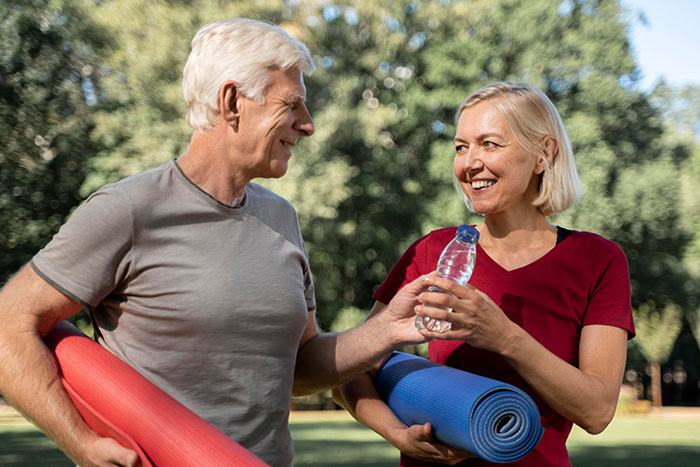
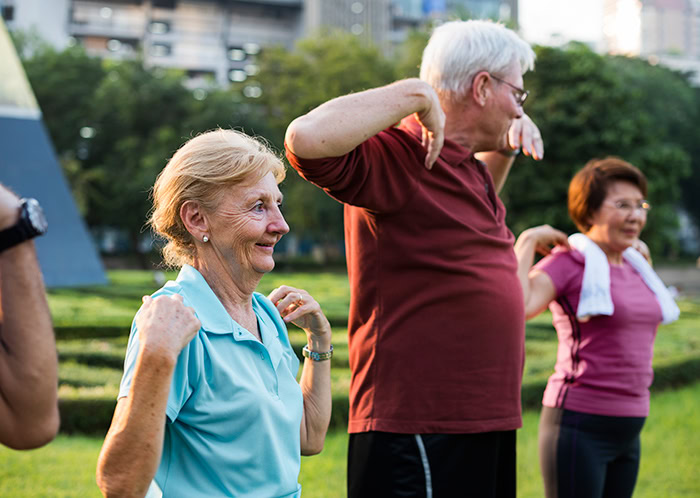
Engaging in regular physical activity is another cornerstone of healthy ageing. Exercise not only enhances mobility and musculoskeletal function but also boosts mental health by reducing stress and improving cognitive performance. Older adults are encouraged to engage in at least 150–300 minutes of moderate-intensity or 75–150 minutes of vigorous-intensity physical activity per week. Activities like walking, yoga, swimming, or light strength training can be tailored to individual abilities, making them accessible for everyone[3]. Regular physical activity has been shown to delay the onset of chronic conditions, enhance vitality, and improve overall quality of life[4]
- Find Joy in Routines
For many older adults, developing daily routines that include enjoyable and meaningful activities fosters a sense of purpose and accomplishment. Whether it’s gardening, learning a new skill, or volunteering in the community, these pursuits can enhance both mental and physical vitality. Pet ownership is another avenue that has proven beneficial; caring for a pet provides companionship and encourages routine and responsibility4.
- Seek Support When Needed
Grief support and counselling are essential resources for those navigating loss, as they offer guidance and emotional comfort during challenging times. Additionally, healthcare providers play a vital role in promoting autonomy by connecting seniors with tailored resources and interventions. By fostering open communication with medical professionals, older adults can access support systems that enhance their quality of life.
- Rediscover Nature
Spending time outdoors, soaking in sunlight, or simply enjoying a favorite hobby can renew energy and uplift spirits4. It is a matter of fact that exploring sources of personal joy, such as spending time outdoors, engaging in hobbies, or connecting with nature, can significantly boost your resilience and well-being.
Tech to the Rescue
The digital age isn’t just for the young. Technology offers incredible tools to empower seniors. We encourage you to read our recent blog articles “Intelligent Monitoring: Benefits and Applications for Senior Care” and “Active Ageing: How Technology Supports Independent Living” where we discuss on the ways that affordable and easy to use technological solutions helps seniors and caregivers in thriving better quality and independent life for longer time. One interesting example to illustrate the way that technology supports the adoption of healthy habits is MAHA initiative in Madrid. MAHA’s main objective is to connect the elderly with their environment so that they actively become part of the world around them, improving their autonomy and quality of life, combining technology and human being intervention in multiple service types. Through the promotion of physical activity, cognitive training and social participation, in addition to direct access to educational materials on health, MAHA seek to enhance the independence, empowerment, autonomy and well-being of older people. After five years of deep evaluation in large scale pilot projects i.e. Activage and Gatekeeper, MAHA is now in the process of upgrade to public services operation in 2Q 2025.
- Curated Platforms: bridge the gap between technology and independence. With certified health tools, wearable devices, and remote health monitoring solutions, seniors can make informed decisions that enhance autonomy [5].
The activage.shop is a prime example of how technology can be seamlessly integrated into the lives of seniors. This curated online marketplace provides access to certified health monitoring devices and other resources designed to support active and healthy living. By simplifying the search for reliable tools, activage.shop empowers seniors to make informed choices and maintain their autonomy. Whether through wearable devices, remote health monitoring solutions, or personalized wellness tools, activage.shop bridges the gap between technology and independence
The Bigger Picture
Healthy ageing is about more than adding years—it’s about enriching them. By adopting habits that prioritize physical activity, emotional resilience, and social connection, older adults can lead fulfilling, independent lives.
Technological innovations, like those offered by Activage.shop, complement these efforts, proving that the future of ageing is bright, collaborative, and full of potential. Together, we can create a world where seniors thrive, empowered to live fully and autonomously.


References
- National Institute on Aging. Loneliness and social isolation. Retrieved from: https://www.nia.nih.gov/health/loneliness-and-social-isolation/loneliness-and-social-isolation-tips-staying-connected
- World Health Organization. Ageing and health. Retrieved from: https://iris.who.int/bitstream/handle/10665/373061/WHO-EURO-2023-8002-47770-70520-eng.pdf
- National Center for Biotechnology Information. Impacts of COVID-19 on ageing. Retrieved from: https://pmc.ncbi.nlm.nih.gov/articles/PMC8386142/
- Michigan Medicine. Combating loneliness in older adults. Retrieved from: https://www.michiganmedicine.org/health-lab/8-ways-older-adults-can-reduce-loneliness-and-social-isolation-0
- ActivAge Association. Enhancing senior autonomy. Retrieved from: https://activage-association.org/